The nourishing hedgerows of Hulplanche farm
Site analysis and layout design for the surroundings of Hulplanche's agroecological market garden farm: a network of multifunctional hedgerows.
🚜 Hedgerows that support market gardening. Plant infrastructure serving an agroecological farm and a resilient rural neighbourhood.
The nourishing hedgerows of Hulplanche farm
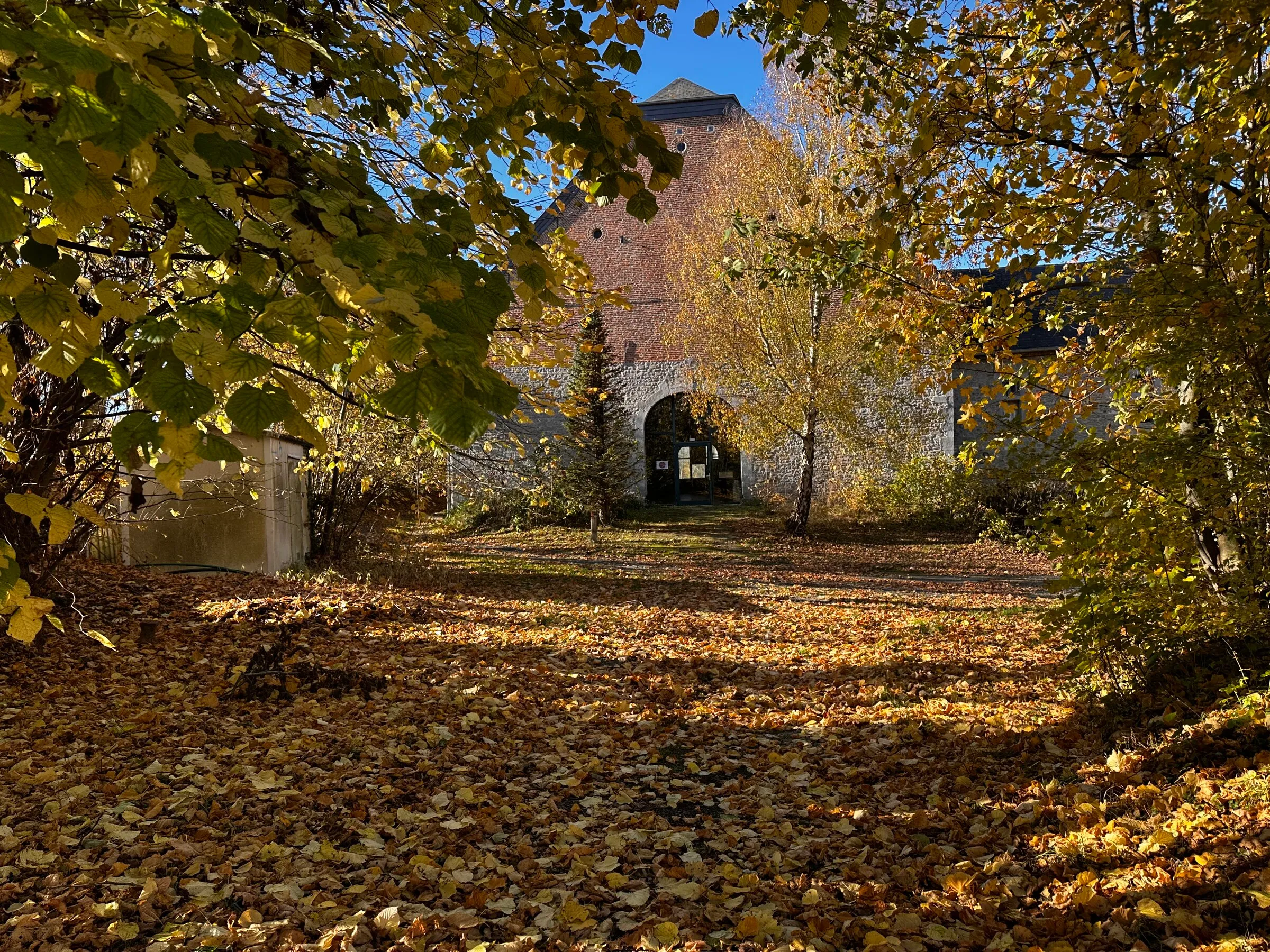
Hulplanche is a “resilient rural neighbourhood” set up on a historic farm in La Bruyère, near Namur: a collectively run place that is at once an agroecological market garden farm, an action-research lab on cooperation, and a hosting venue (table d’hôte meals, workshops, cultural events). The project is carried by the private foundation “Un Pas de Côté” and a collective of volunteers.
Semisto carried out the site analysis and layout design for the surroundings and edges of the market garden space: a productive, resilient, low-maintenance landscape able to sustainably support both the farming activities and community life.
A multifunctional plant infrastructure
The proposal is built on a network of multifunctional hedgerows, complemented by comfrey rows, grass strips and fruit-bearing zones near the living areas. Together, they produce:
- fertility (ramial chipped wood, comfrey, cutbacks — a self-fertile system whose upkeep directly produces usable resources on site)
- functional biodiversity that supports the market garden crops
- microclimate comfort: slowing prevailing winds, deflecting cold air drainage, creating heat traps that speed up fruit ripening
- useful resources: supplemental fodder for livestock, fruit to enjoy near the gathering areas, a buffer against street noise and pollution
Reading the land first
The study starts from the scale of permanence: topography, and the flow of water, wind and cold air. Every hedge is placed for a precise reason — slowing drying warm winds, deflecting late frosts, letting cold-air pockets drain toward the bottom of the valley — and this microclimate management is what determines the layout of paths and access to the market garden.
Project facts
- Type: Site analysis, layout design, planting plans
- Content: a 41-species plant palette, detailed planting plans per hedge, technical schedule, management and fertilisation plan, subsidy application file
- Delivery: 2026
- Designers: Christophe Wautier, Michael Hulet
- Status: Study delivered, planting underway in two phases (winter and spring)
Plans & photos of the project
You too can create a food forest
Individual, municipality or company — tell us about your project.