Articles
Stories, practical guides and perspectives on food forests — arranged like the forest itself: layer by layer, from canopy to soil.
The canopy
Seeing far — vision, craft, heritage

Feeding more, or feeding better?
Does a food forest feed people better than a field? We read the studies: calories, protein, micronutrients — where the argument holds, and where it breaks.
Read the article →
A food forest in the schoolyard
Schools in Flanders and the Netherlands are planting food forests in their playgrounds. What they harvest there — and how your school can follow.
Read the article →
One of Europe's oldest food forests could vanish at the end of 2026
In Mouscron, the Fraternités ouvrières garden — 57 years of agroecology on 1,800 m² — is threatened by the end of its lease. Here's how to support it.
Read the article →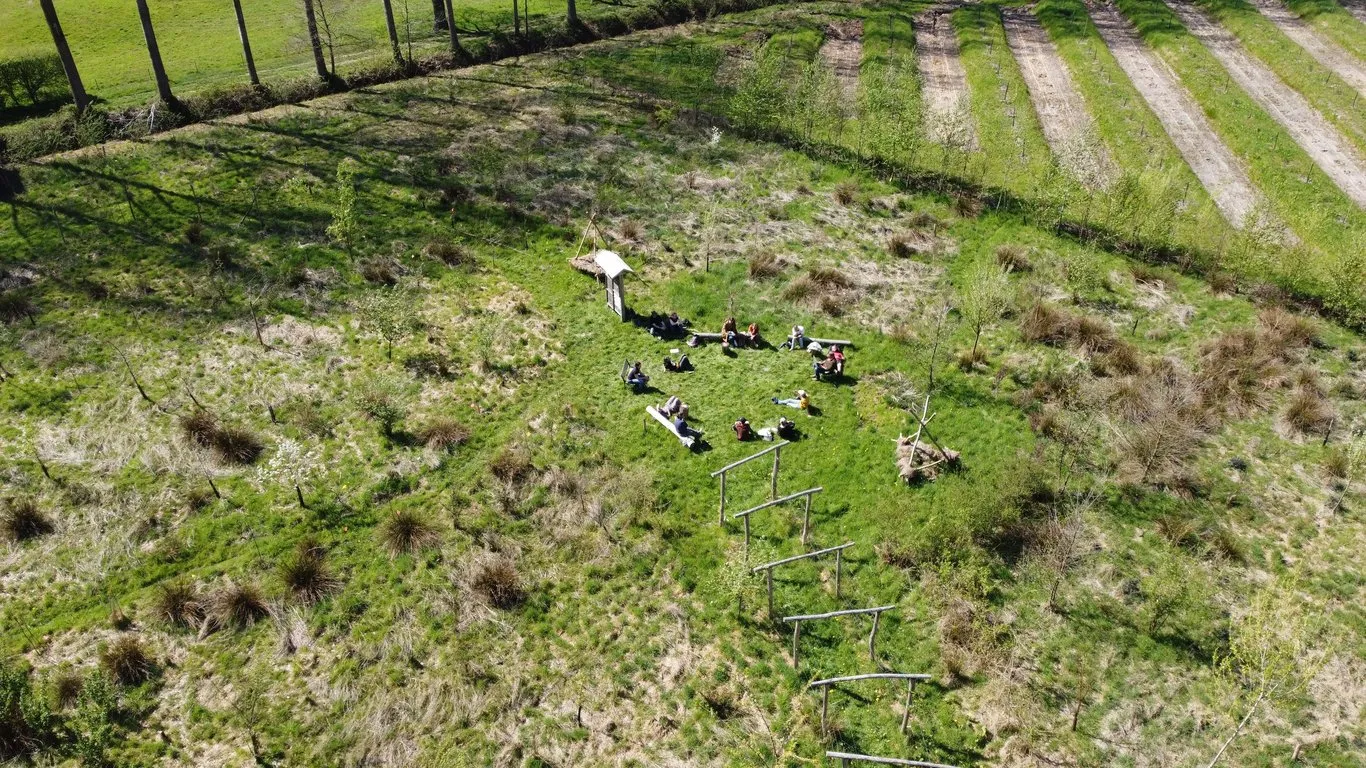
Food forest designer: a profession for the future, for a resilient world
The food forest designer profession, at the crossroads of ecology, systemic design and regenerative agriculture. Profiles and career paths.
Read the article →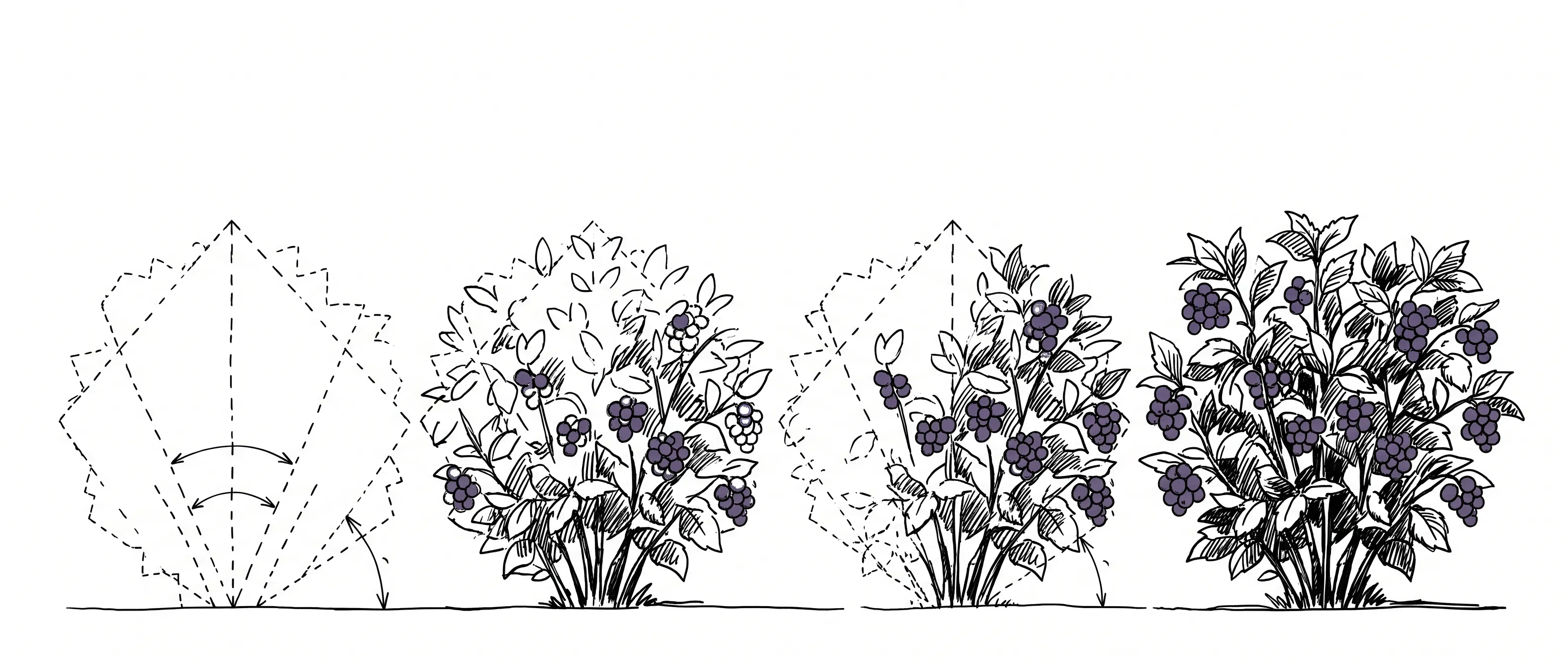
The shrub layer
Design and plant — hands-on guides
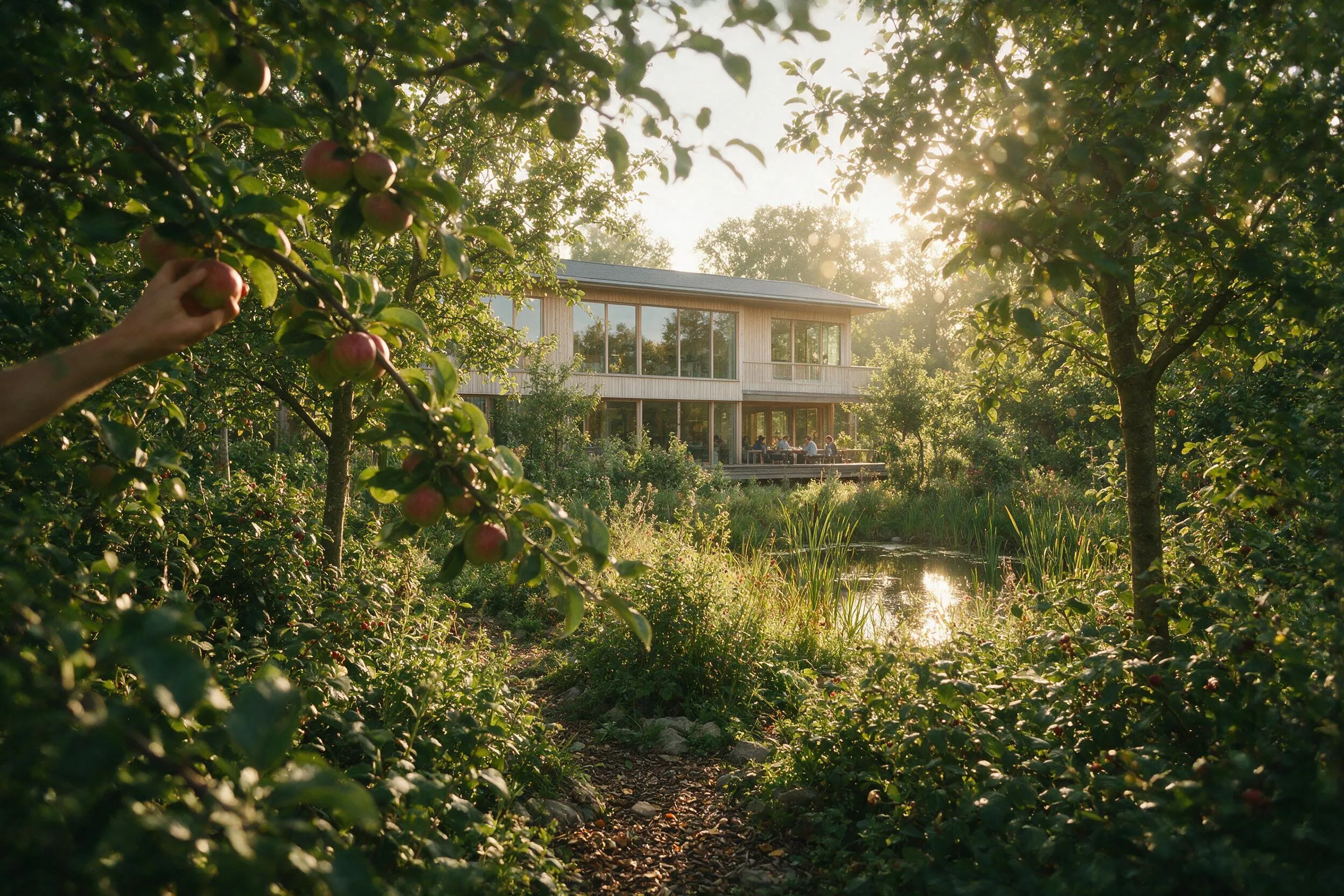
The corporate food forest: a guided tour of a typical project in Wallonia
A guided tour of a typical corporate food forest in Wallonia: pond, patio, chickens, harvests and coolness — a regenerative ecosystem around your offices.
Read the article →
Support species: fertilising, engineering trees
Support species speed up food forest establishment: fast canopy, enriched soil, time saved. Uses, pruning and suited species.
Read the article →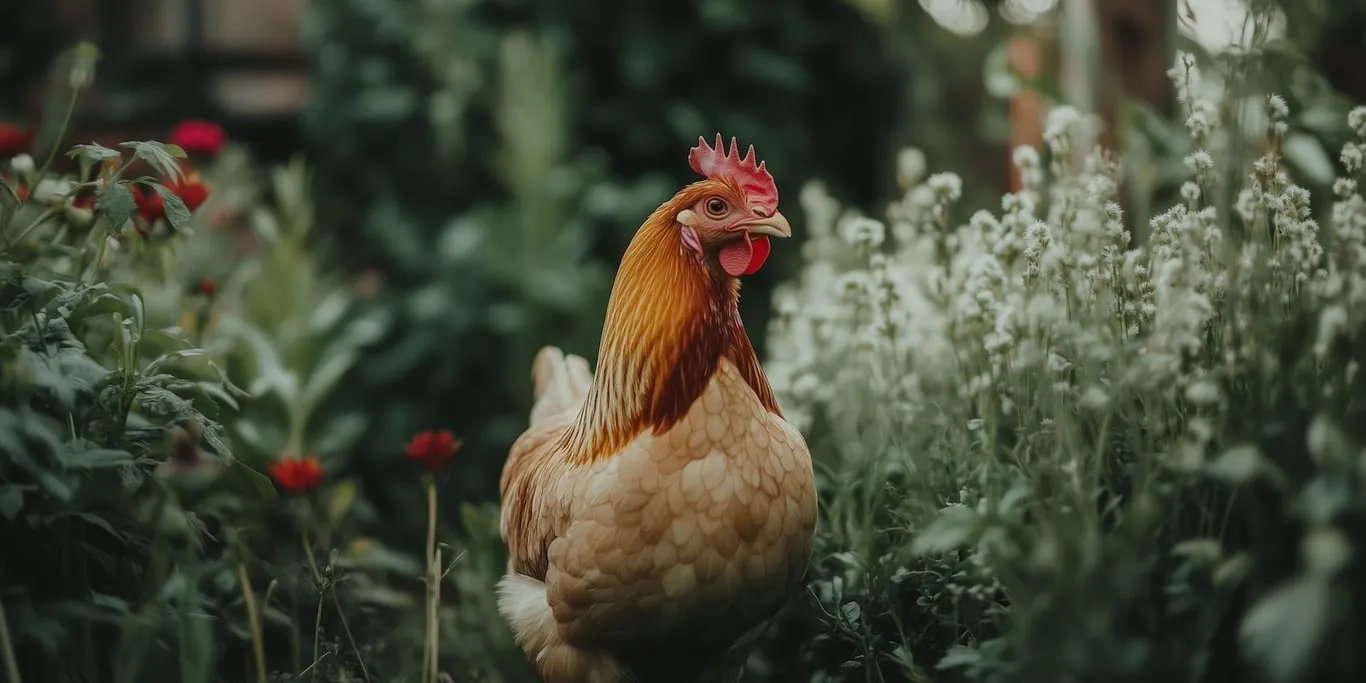
Chickens in the food forest
Integrating chickens into a food forest: natural habitat, feed autonomy, pest control. Suited design, layers, herbs and practical tips.
Read the article →
The 7 layers of a food forest
Design a productive food forest with seven complementary vegetation layers, inspired by forest ecosystems. Examples, tips and common mistakes.
Read the article →« A food forest's soil no longer resembles a field's. It resembles a forest's. »
The climbers
Field stories, from one place to the next
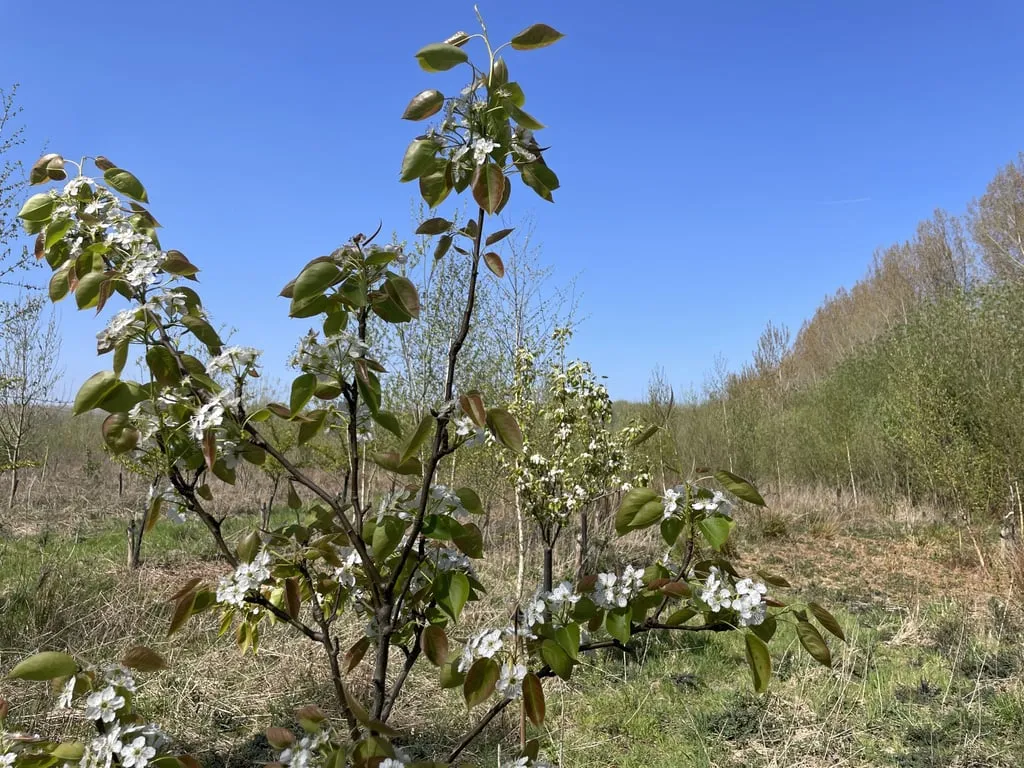
The Schijndel food forest: a model for Europe's agricultural future
In Schijndel (the Netherlands), a 20-hectare food forest tests a profitable farming model — and the Dutch legal framework that made it possible.
Read the article →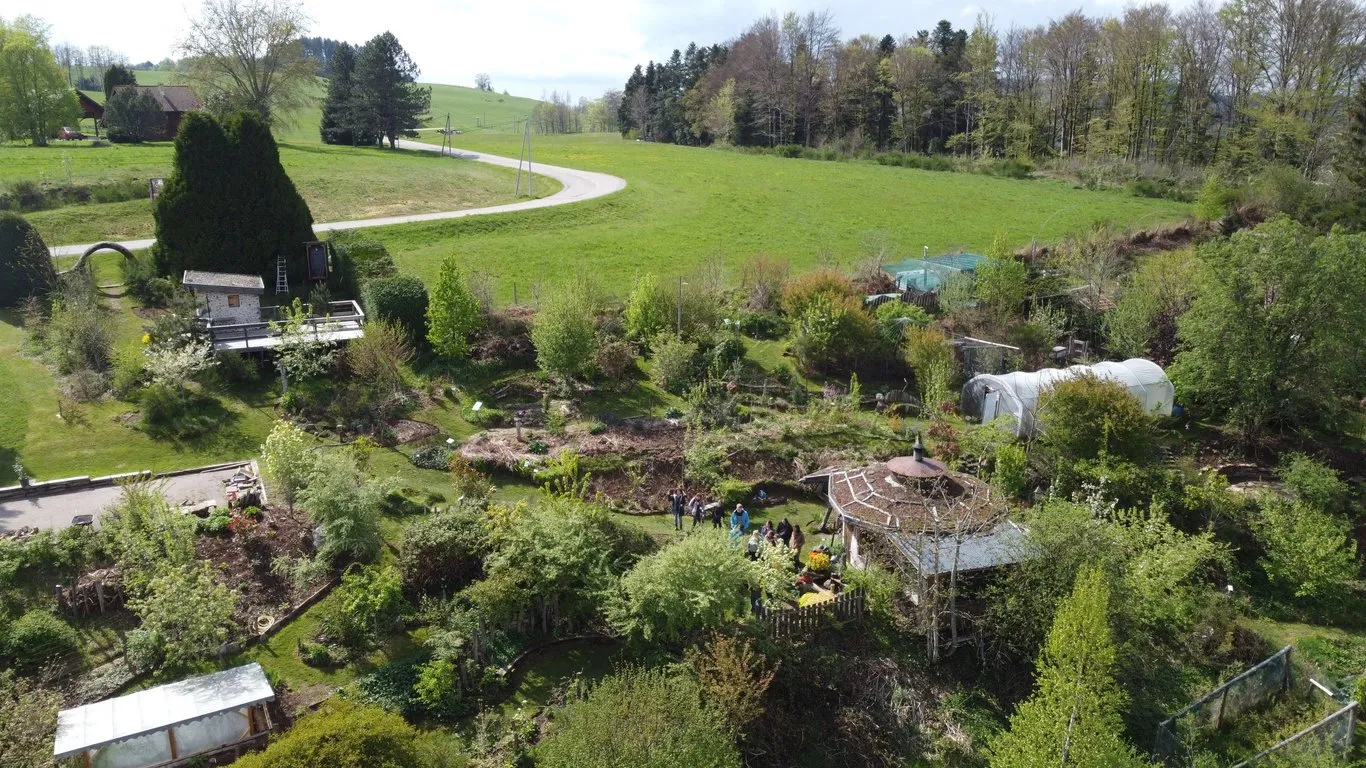
Une Figue dans le Poirier: inside a demanding, inspiring food forest design
A visit to a food forest project in the Vosges: contextual design, landscape aesthetics and knowledge-sharing, with Une Figue dans le Poirier.
Read the article →
The herbaceous layer
Fast-growing — policy and funding
What 30 Swedish urban food forests have to say to local councils
Sweden has inventoried its 30 urban food forests. The figures upend the usual pitch and show what a council should actually be funding.

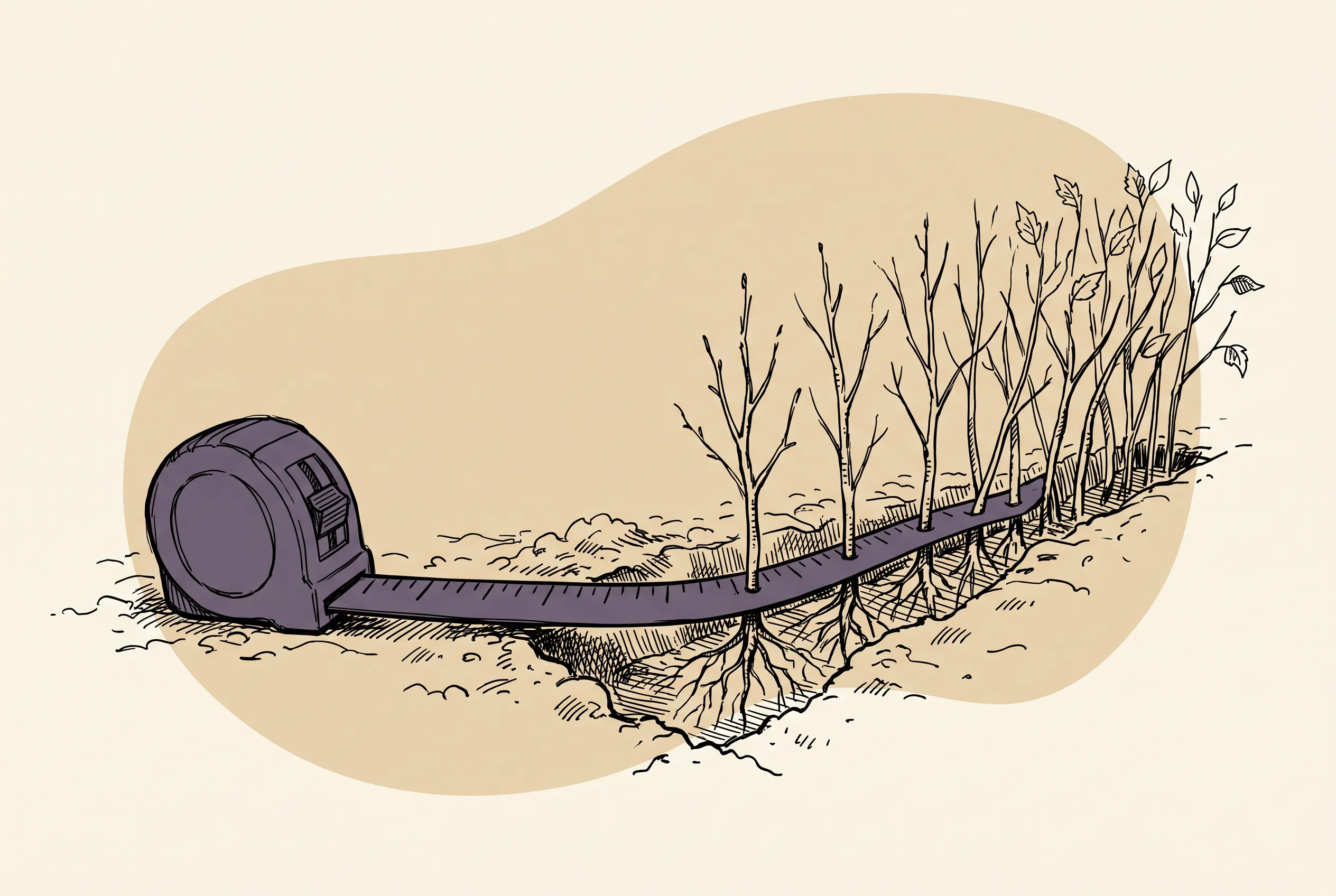
100 € for twenty metres of hedge: Wallonia's planting grant is worth the paperwork
Open to everyone, private individuals included, and paid as a flat rate: what the planting grant can cover, on what conditions, and how to apply.
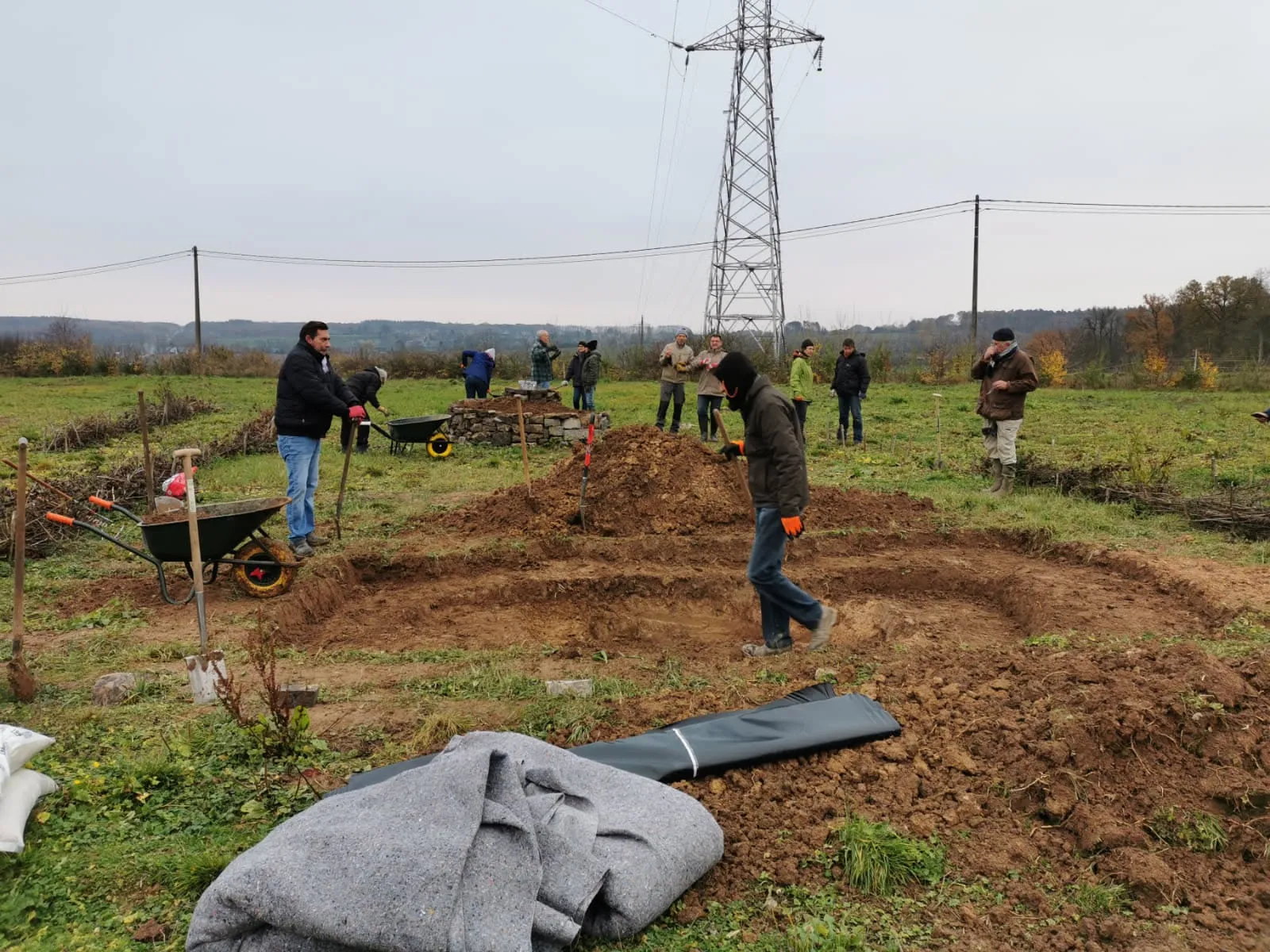
What does a food forest earn? The first economic study, decoded
Can a food forest support a farm? The first economic study (ILVO) decoded: the conditions for profitability, its limits, and what changes in Wallonia.
Europe will certify the carbon of farm trees: what carbon farming changes for our hedges
Europe adopted its rules for certifying farm carbon, agroforestry included. What it opens up for hedges — and the pitfalls to avoid.
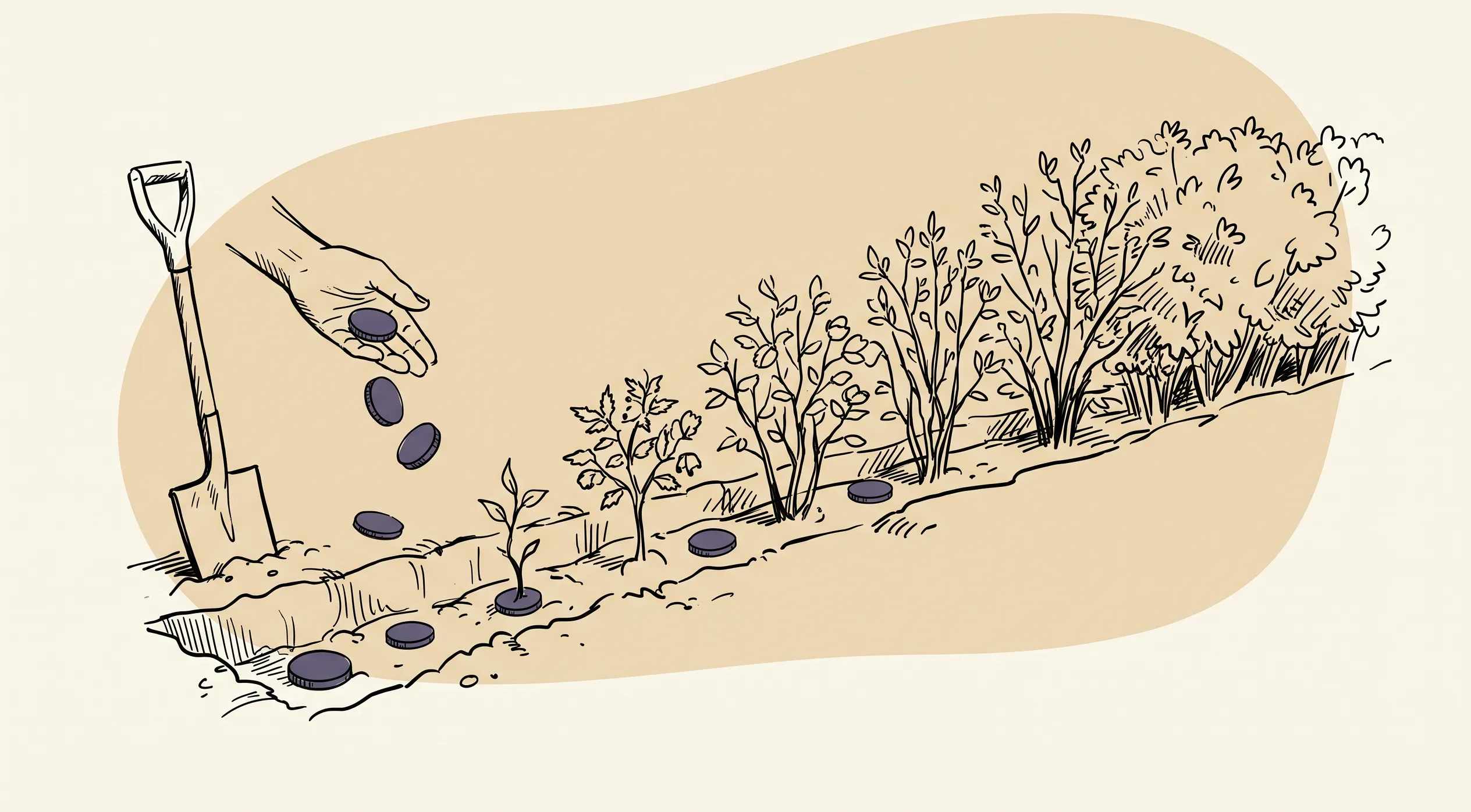
Farm-funded hedges: what the numbers really say
Real footprint, Walloon support, fodder, wood: what science establishes about the profitability of farm hedges — and what it doesn't.
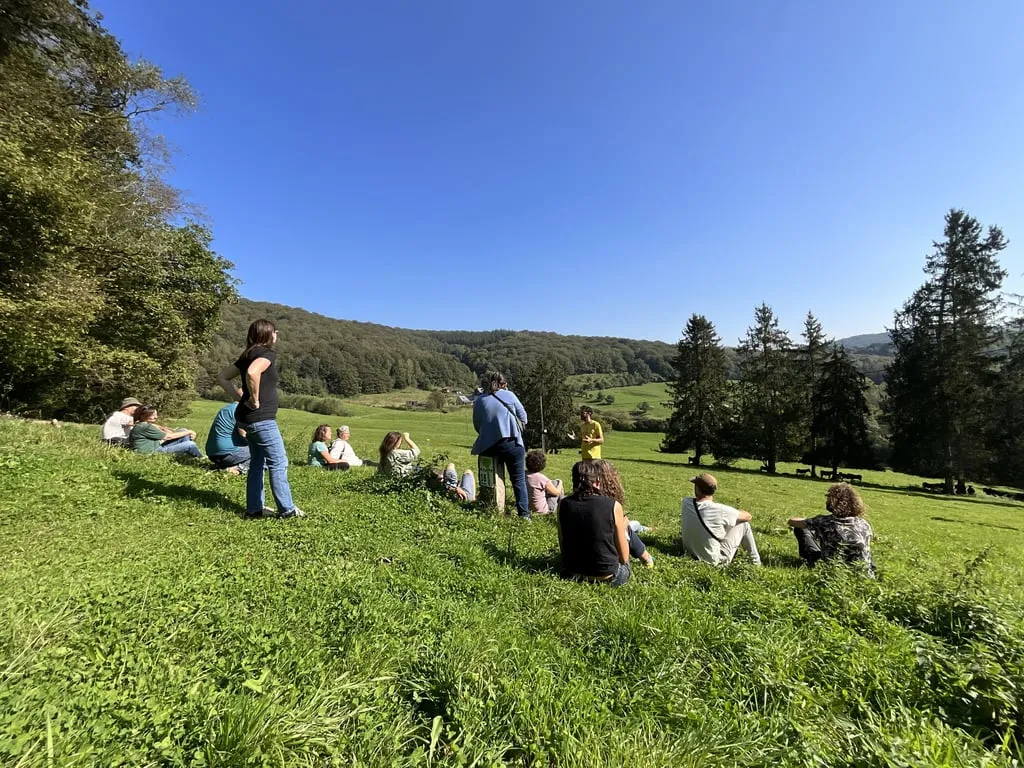
Why ecological sponsorship matters for companies
Ecological sponsorship as a strategic lever for companies: brand image, talent, compliance, opportunity, and real impact with Semisto.
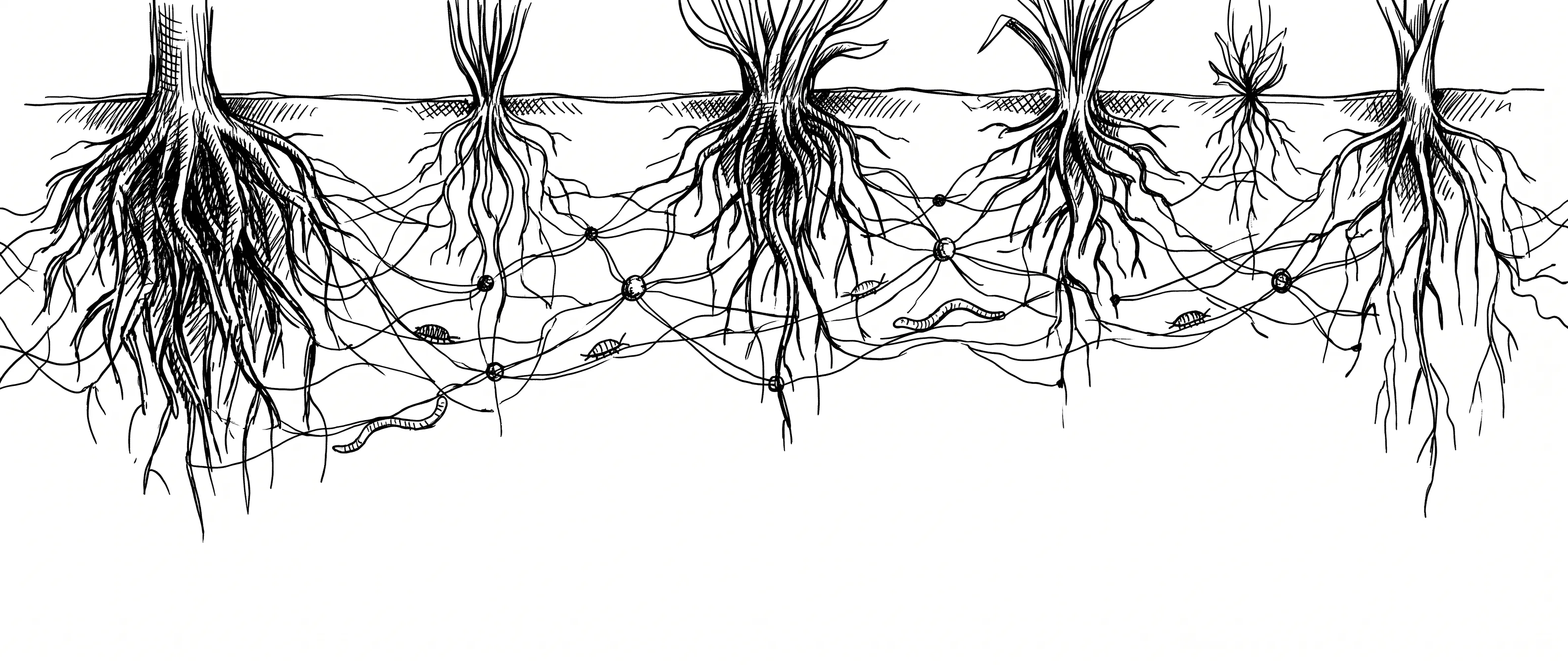
The soil
The science of the living, under our feet
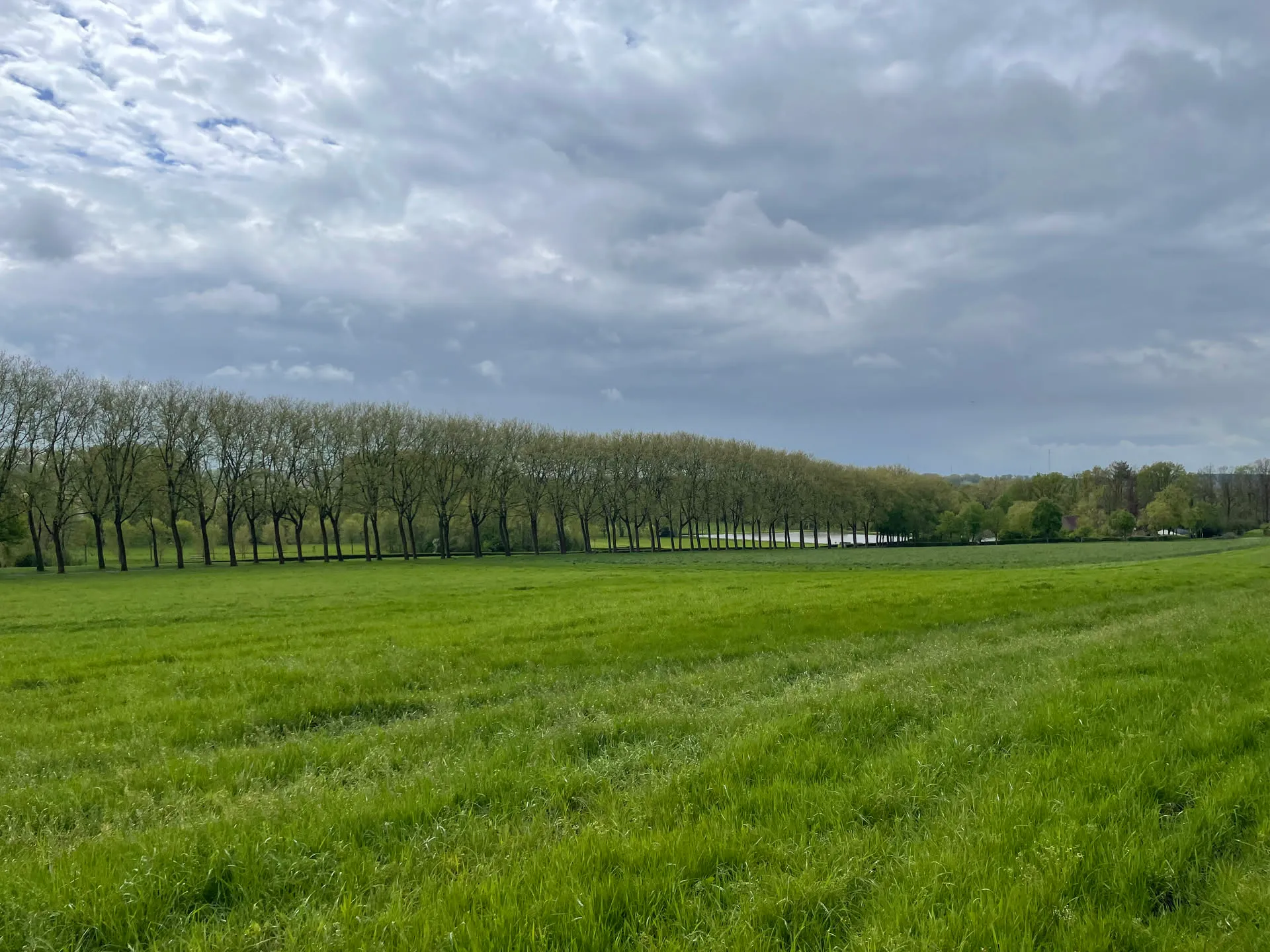
The drier it gets, the more trees store carbon: agroforestry's edge against scorching summers
A 2025 global meta-analysis shows it: agroforestry stores the most soil carbon where it is driest. A climate argument for a drying Wallonia.
Read the article →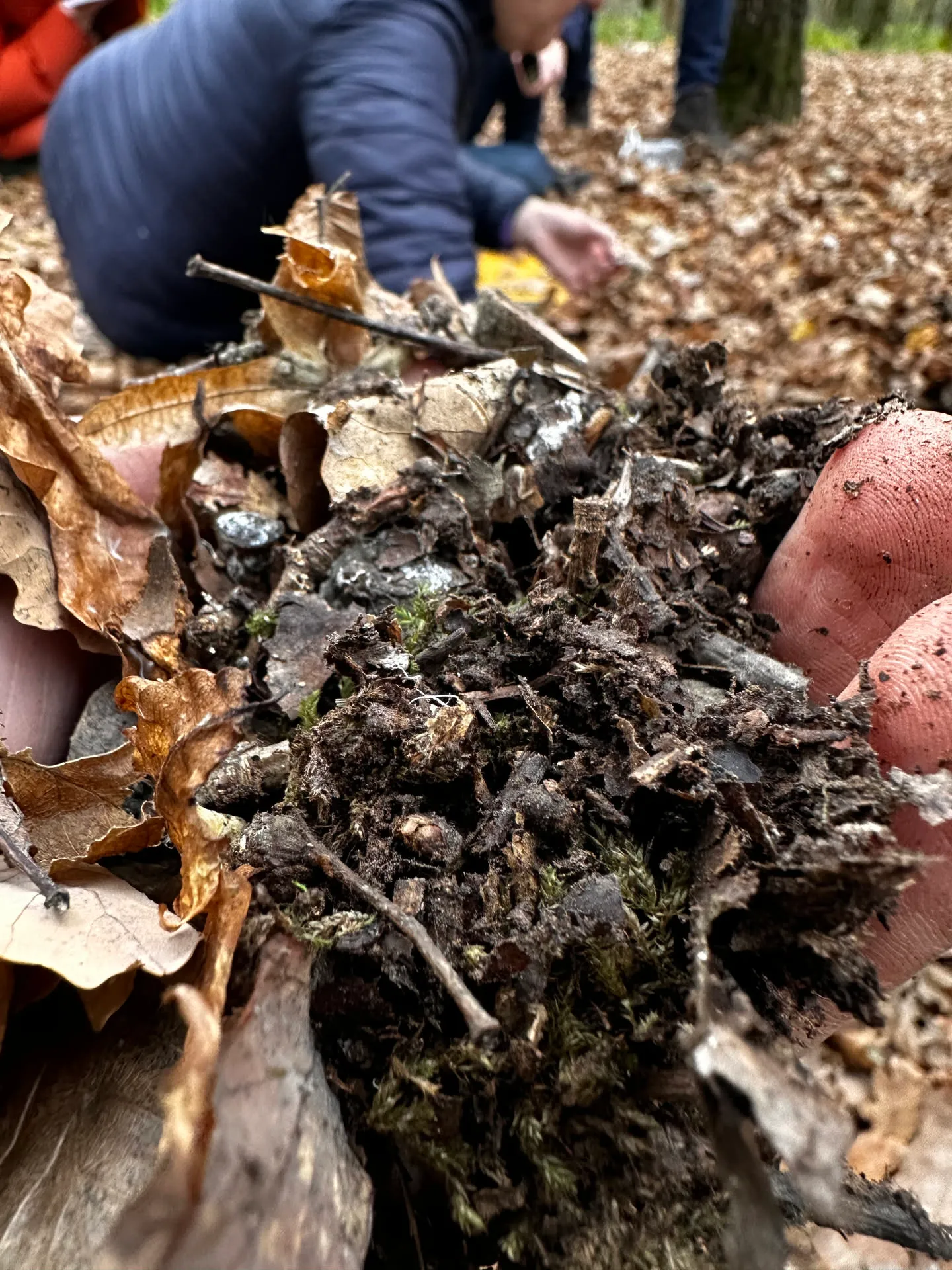
A hundred times more woodlice than a field: the proof that food forests regenerate the soil
A Belgian-Dutch study compared 15 food forests to fields and grasslands. Their soil comes to resemble a forest's. Here are the numbers.
Read the article →