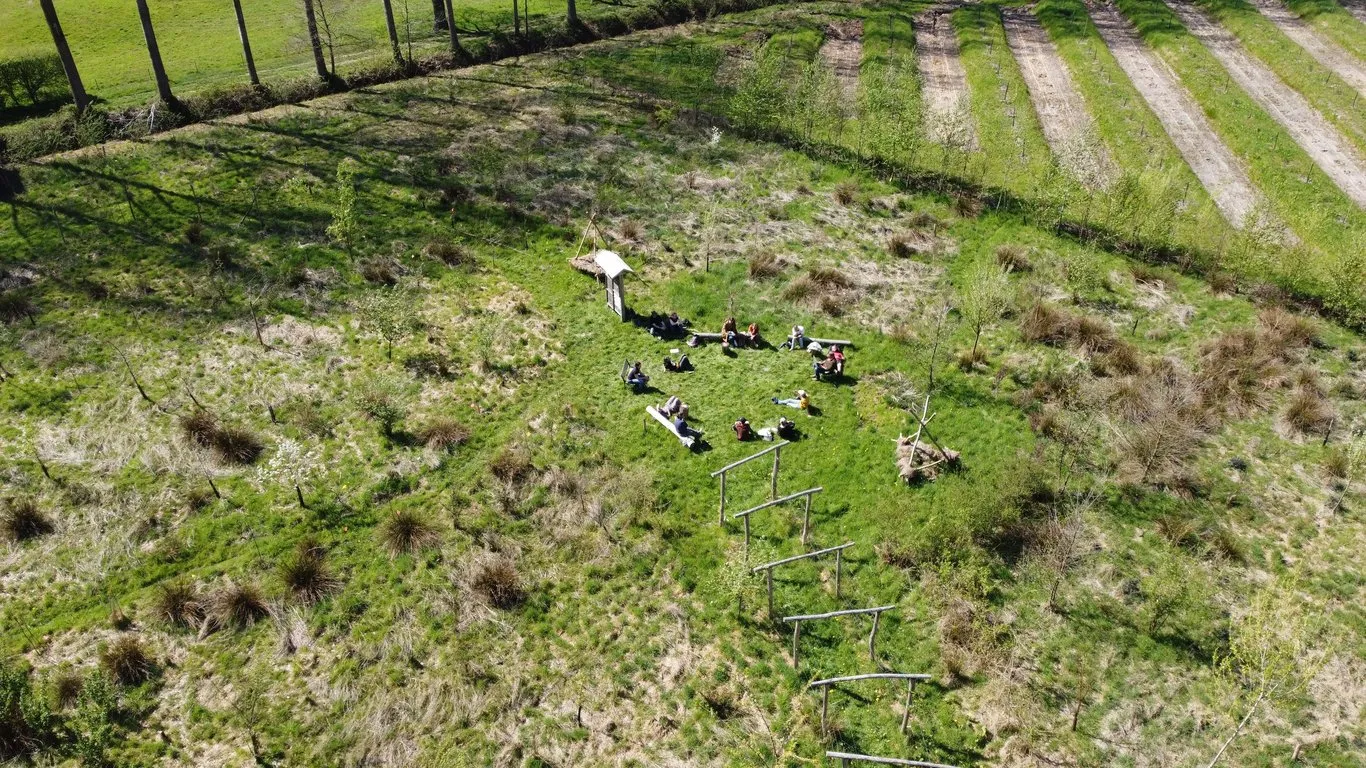
Food forest designer: a profession for the future, for a resilient world
The food forest designer profession, at the crossroads of ecology, systemic design and regenerative agriculture. Profiles and career paths.
Published May 9, 2025 · Semisto
Food forest designer: a profession for the future, for a resilient world
At the crossroads of ecological science, systemic design and regenerative agriculture, a profession for the future is emerging: food forest designer. It’s a technical specialisation, but also a deeply human one, attracting landscape professionals as much as career-changers wanting to work toward a more resilient future.
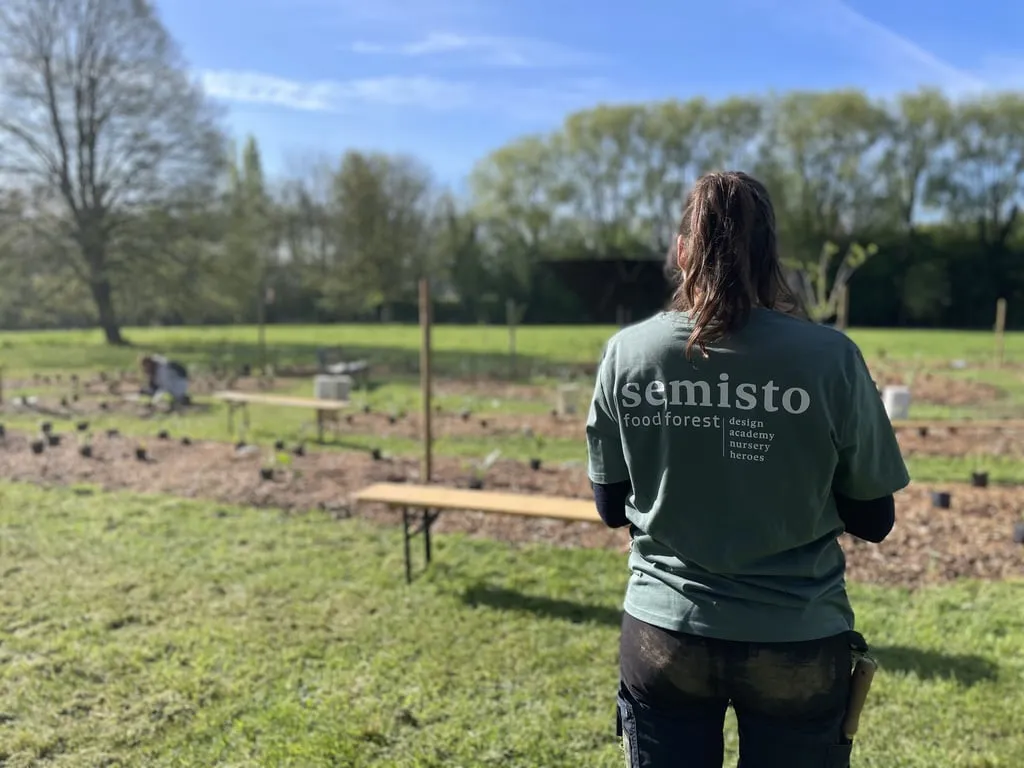
A systemic answer to the challenges of our time
Faced with the limits of industrial agriculture, depleted soils and collapsing biodiversity, the food forest offers a concrete, lasting, food-producing alternative. Inspired by young forest ecosystems, it brings together fruit trees, shrubs, perennials, climbers, ground covers and root crops in a logic of cooperation between species.
But designing one takes far more than horticultural skills. A food forest designer acts as an architect of living systems, able to read a landscape, analyse ecological interactions, design a coherent planting plan, and support a project owner through building their food-producing ecosystem.
A many-sided profession, with real impact
The trade is practised in a wide range of settings: farms transitioning to agroecology, communities seeking food resilience, landscaping projects, food-producing third-places, educational projects, community orchards, work-integration social enterprises or specialised nurseries.
It combines:
- mastery of forest ecology and soil dynamics,
- design skills (drawing, mapping, planning),
- the ability to listen to the land and its users,
- botanical knowledge and a feel for plant diversity,
- a systemic approach to water, fertility and landscape management,
- a teaching instinct for passing on, training, mobilising.
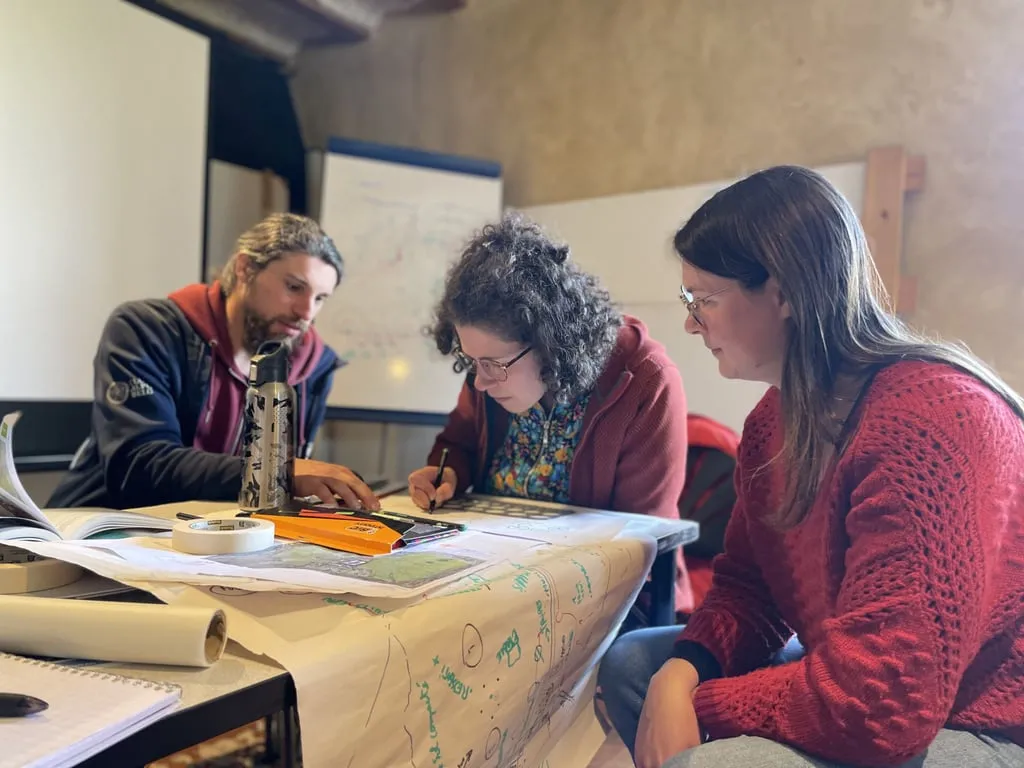
Who is it for?
This profession draws a diversity of profiles:
- landscapers and living-systems architects wanting to enrich their practice with a permaculture approach to design,
- farmers and market gardeners transitioning toward more lasting, resilient systems,
- nursery growers wanting to offer species suited to the food forest,
- local government staff (planning, green spaces, education) keen to develop food-producing places,
- career-changers motivated by a desire to actively contribute to the ecological transition through a hands-on trade with strong social and environmental value.
Whether you come from the world of plants or an entirely different field, it’s above all your commitment, your love of living systems, and your drive to root yourself in a regenerative trade that will make the difference.
Varied career paths
Food forest designers can:
- work independently or join an applied-ecology design firm,
- support individuals, companies or local authorities,
- offer training or workshops in schools and shared gardens,
- launch a specialised nursery or a market-garden project,
- take part in participatory work days or develop projects with a social dimension.
This profession is still taking shape, with growing demand, particularly in educational, agricultural, non-profit and municipal settings. It’s part of a redefinition of the landscape professional’s role in a changing world.
In conclusion
The food forest designer is an essential link in the ecological transition. Combining technical skill, sensitivity and commitment, they design lasting, food-producing landscapes that reconcile people with natural dynamics.
It’s a demanding but exciting path for anyone who wants to align their trade with their life’s mission. What if it were for you?